
Thekua: Symbol of Devotion, Tradition, and Togetherness
Thekua: Symbol of Devotion, Tradition, and Togetherness
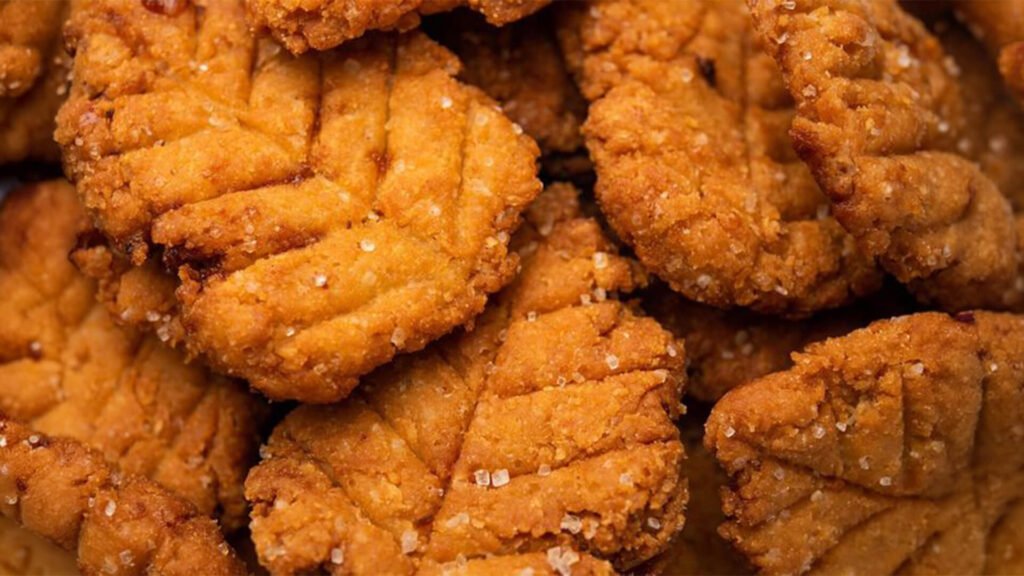
Thekua’s popularity in Chhath Puja goes far beyond it being a festive sweet—it is, in many ways, the spirit of the festival shaped into something you can hold, offer, and share. In fact, for many devotees, Chhath feels incomplete without thekua. It is the most awaited prasad, prepared with care and devotion in almost every household observing the festival. From children to elders, everyone looks forward to it—not just for its taste, but for what it represents. Whether offered at the ghats or shared among neighbors and relatives, thekua carries a sense of togetherness and reverence that makes it deeply loved by all.
A Symbol of Purity, Simplicity, and Devotion
At its core, thekua reflects the essence of Chhath itself—purity, simplicity, and devotion. Made with just a few satvik ingredients like wheat flour, jaggery, and ghee, it carries a kind of minimalism that feels intentional rather than limiting. There is no excess, no indulgence for the sake of it—only what is pure and necessary. In that sense, thekua quietly mirrors the discipline and sincerity with which devotees observe the festival.
Deep Cultural and Historical Roots
Its roots run deep, shaped over centuries by both tradition and environment. In regions like Bihar and eastern Uttar Pradesh, where Chhath is most widely celebrated, food has always been closely tied to the agricultural cycle. Ingredients like whole wheat and jaggery were not only easily available but also seasonal and nourishing. Over time, these local preferences and abundances naturally evolved into what we now know as thekua—making it not just a ritual offering, but a reflection of the land and its people.
A Tradition that Brings Families Together
What truly brings thekua to life, though, is the process of making it. It is rarely a solitary activity. Kitchens turn into shared spaces of laughter, coordination, and care—where family members, especially women, come together to prepare batch after batch. Recipes are not just followed, they are passed down. Techniques are not just practiced, they are remembered. In those moments, thekua becomes more than food—it becomes a thread that ties generations together.
An Emotional Connection Beyond Food
And then there is the emotional layer—the one that cannot be fully explained, only felt. For many, thekua holds memories of early mornings at the ghats, of watching the sun rise over calm waters, of crowded yet peaceful gatherings where even strangers feel familiar. It carries the sound of folk songs, the warmth of shared smiles, and the quiet intensity of collective devotion. The atmosphere during Chhath has a unique energy—deeply spiritual, yet joyfully communal. And somehow, thekua seems to hold all of that within it.
Practicality that Suits the Festival
There’s also a certain practicality to it that cannot be ignored. Thekua lasts. It doesn’t spoil easily, doesn’t require refrigeration, and can be stored and shared over several days. In a festival where offerings are prepared in large quantities and distributed among family, neighbors, and even strangers, this durability makes it perfectly suited. It travels well—from one home to another, from ghats to households—carrying blessings along with it.
A Symbol of Strength and Faith
Beyond practicality lies symbolism. Thekua’s firm, slightly hard texture is often seen as a quiet metaphor for strength and endurance. Just like the devotees who observe rigorous fasts and stand in water for long hours, thekua too embodies resilience. It becomes a subtle reminder of the unwavering faith that defines Chhath.
While its cultural and emotional significance makes thekua special, its ingredients also make it naturally suited for the festival.
Made with whole wheat flour, jaggery, and ghee, it provides steady energy and warmth—something the body needs during long hours of fasting and seasonal transition. In that way, it quietly supports the physical demands of the rituals, just as it supports the spirit of the celebration.
So, Thekua carries the soul of chhath puja.